Top Benefits of Marine Isolation Transformers for Safe Operations?
Marine Isolation Transformers play a crucial role in ensuring the safety of operations in maritime environments. These systems effectively prevent electrical shocks and reduce the risk of malfunction. By isolating the vessel’s electrical systems from the shore power supply, they create a safer environment for personnel aboard. This is particularly important in areas with high moisture and salt content, which can lead to corrosion and electrical hazards.
Choosing the right Marine Isolation Transformer is essential for any marine operation. The design must meet strict standards and regulations to guarantee reliability. These transformers not only protect equipment but also enhance the overall safety of the crew. However, not all systems are created equal; some may fail under specific conditions, highlighting the need for careful consideration and evaluation.
Investing in high-quality Marine Isolation Transformers can prevent potential disasters. Regular maintenance and inspection are necessary to ensure optimal function. Though their benefits are clear, there can be challenges when integrating these systems. The learning curve for personnel and the upfront costs of quality transformers require thoughtful reflection. Ultimately, the advantages of implementing these transformers far outweigh the initial obstacles, ensuring safer maritime operations.
Overview of Marine Isolation Transformers and Their Purpose
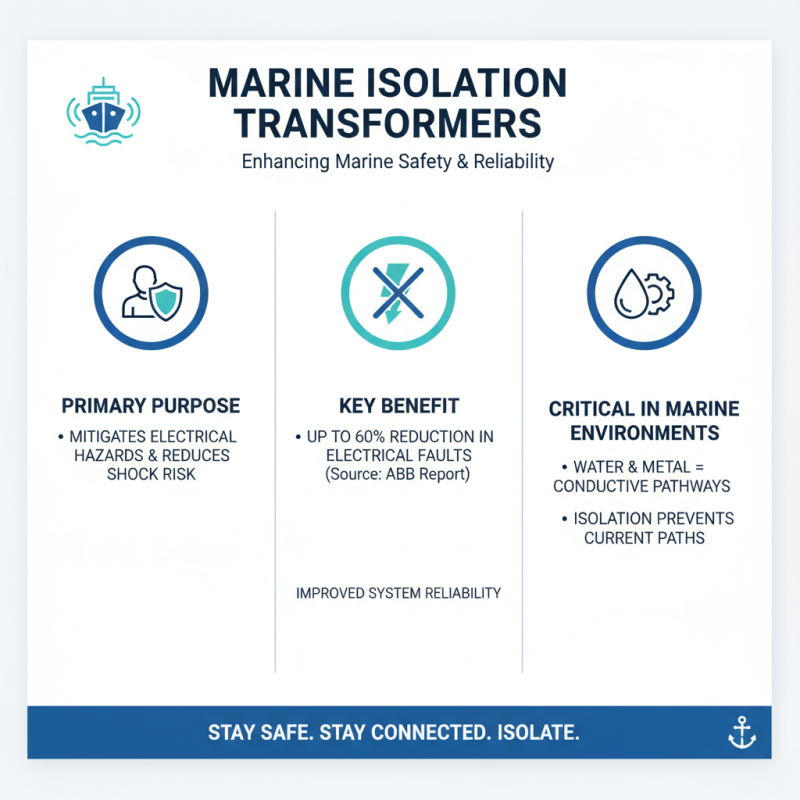
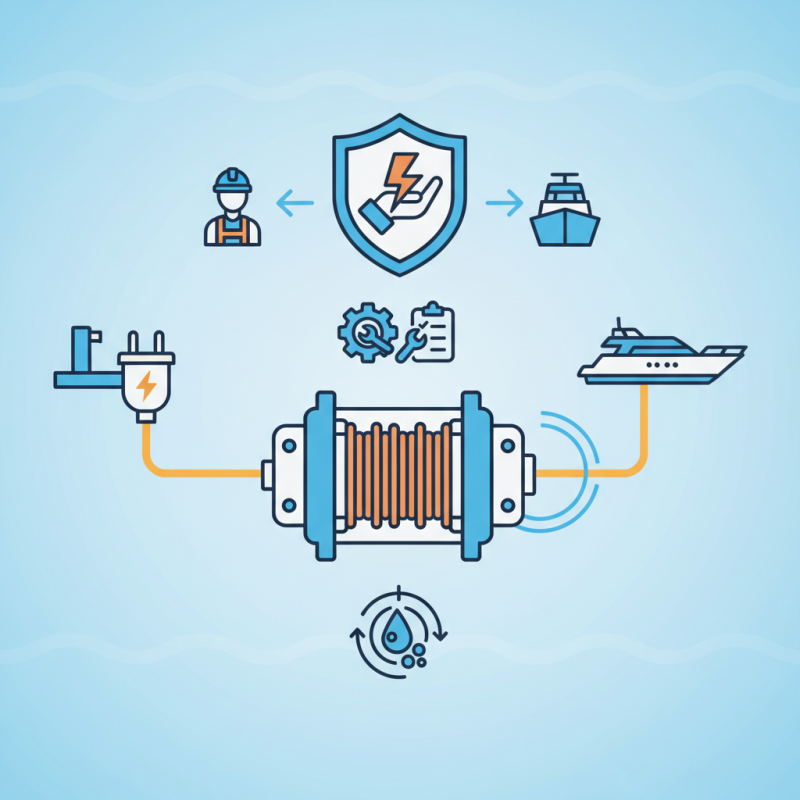
Marine isolation transformers play a crucial role in ensuring the safety and reliability of marine operations. They are designed to mitigate electrical hazards and reduce the risk of electric shock. According to a report by ABB, using isolation transformers can reduce the risk of electrical faults by up to 60%. This is essential in a marine environment, where water and metal components can create conductive pathways.
The primary purpose of marine isolation transformers is to separate the vessel's electrical system from the shore supply. This separation protects crew members and equipment from potential harmonics and electrical interference. These transformers also help in minimizing damage from ground faults. A study published in the Journal of Marine Engineering highlights that more than 30% of maritime incidents stem from electrical failures, emphasizing the necessity of robust safety measures.
Implementing isolation transformers requires a careful assessment of the vessel's power needs. Engineers must balance performance and safety. Installation should follow strict standards to ensure effectiveness. A flaw in this process can lead to severe repercussions, including costly repairs or downtime. Observing operational protocols is vital for maximum safety benefits.
Key Advantages of Utilizing Marine Isolation Transformers in Operations
Marine isolation transformers offer numerous advantages for maritime operations. One significant benefit is enhanced electrical safety. These transformers separate the electrical system from the ground, minimizing shock risks. This separation protects crew members and equipment from electrical faults. When vessels are at sea, stable power distribution is crucial. Isolation transformers play a key role in maintaining consistent voltage levels, ensuring smooth operations.
Another key advantage is noise reduction. Marine environments can be loud, and electrical noise can disrupt sensitive equipment. Isolation transformers help filter out electrical interference. This leads to better performance of onboard systems. Moreover, they contribute to the overall reliability of power supply, reducing downtime. A vessel can function more efficiently with fewer interruptions.
Implementing these transformers does require careful consideration. Installation and maintenance can pose challenges. Proper training for crew members is essential. Ensuring that everyone understands the system is vital. Regular inspections can prevent issues, but they require time and resources. Balancing the benefits against these factors is an ongoing process for maritime operators.
Enhancing Safety with Marine Isolation Transformers: How They Work
Marine isolation transformers play a critical role in enhancing safety onboard vessels. These transformers provide electrical isolation, reducing the risk of electrocution during operations. Their design allows them to handle harsh marine environments, ensuring reliable performance. They work by isolating the ship's electrical system from the shore power system, preventing dangerous fault currents and minimizing the risk of electrical accidents.
Regular maintenance is essential for these transformers. Inspect connections and test functionality periodically. A small problem can lead to larger issues, risking the safety of the crew. Always follow established maintenance protocols to ensure reliability.
Installing marine isolation transformers can significantly reduce electrical noise. This improves the overall efficiency of onboard equipment. However, it's crucial to consider the right specifications for your specific vessel. Incorrect installations may compromise safety. Always consult with a marine electrical expert for guidance.
Impact on Equipment Longevity and Maintenance Costs
Marine isolation transformers play a crucial role in enhancing equipment longevity and reducing maintenance costs. These devices provide electrical isolation, which significantly minimizes the risk of damage from electrical faults. By protecting sensitive marine equipment from surges and spikes, the transformers contribute to a more reliable operational environment. Over time, this results in fewer breakdowns and disruptions.
Regular maintenance can be costly and time-consuming. However, with marine isolation transformers, the need for frequent repairs decreases. Equipment operates smoothly for longer periods. This leads to substantial cost savings. Operators may notice that their overall maintenance budgets shrink, allowing funds to be redirected towards innovation or upgrades.
Yet, it's important to acknowledge that not all installations are flawless. Inconsistent performance may arise from improper sizing or environmental factors. Regular assessments are essential. Operators should periodically evaluate the effectiveness of their isolation transformers. This not only ensures optimal performance but also aligns with best practices for safety and reliability in marine operations.
Top Benefits of Marine Isolation Transformers for Safe Operations
| Benefit |
Description |
Impact on Equipment Longevity |
Impact on Maintenance Costs |
| Electrical Safety |
Reduces the risk of electric shock and short circuits. |
Enhances the lifespan of electrical components due to lower fault currents. |
Decreases repair costs related to electric faults. |
| Noise Reduction |
Isolates electrical noise from equipment. |
Promotes longer operational life by mitigating vibrations and interference. |
Lowers costs associated with troubleshooting and reducing noise-related issues. |
| Surge Protection |
Offers protection against voltage spikes and transients. |
Increases the durability of sensitive equipment. |
Reduces costs of replacement due to surge damage. |
| Environmental Compliance |
Helps meet regulatory standards for ship operations. |
Promotes longer operational life by adhering to safety regulations. |
Potentially lowers costs related to fines and compliance issues. |
| Efficient Power Distribution |
Optimizes energy usage across marine systems. |
Extends the life of electrical systems by ensuring balanced loads. |
Lowers energy bills and maintenance due to efficient operation. |
Regulatory Compliance and Standards for Marine Isolation Transformers
Marine isolation transformers play a crucial role in ensuring safe operations on vessels. Regulatory compliance is vital in the maritime industry. These transformers help in meeting various international standards. They reduce the risk of electrical shock. This is essential for protecting crew and equipment. Compliance with standards like IEC 60092 ensures that operational safety is maintained.
Different regions have specific regulations that must be followed. These can vary based on the vessel type and its operational area. Compliance often requires rigorous testing and documentation. This can sometimes be a barrier for smaller operators. They may struggle to meet all necessary standards, affecting their operations. However, these regulations ultimately enhance safety for everyone involved.
Marine isolation transformers must be designed to withstand harsh conditions at sea. Saltwater and humidity can lead to equipment failure if not properly managed. Continuous improvements in design are necessary. Operators need to regularly review compliance measures to avoid potential risks. Balancing regulatory demands with operational efficiency is a recurring challenge. Addressing these concerns requires ongoing education and commitment to safety standards in the maritime sector.
Top Benefits of Marine Isolation Transformers for Safe Operations

 Three-Phase Isolation Transformer
 Control Transformer
 Medical IT Isolated Power System
 Marine Transformer
 Tunnel Transformer
 High Current Transformer
 Automatic Voltage Regulator
 Oil Immersed Voltage Regulator