Leave Your Message

Top 10 Benefits of Power Supply Isolation Transformers for Electrical Safety

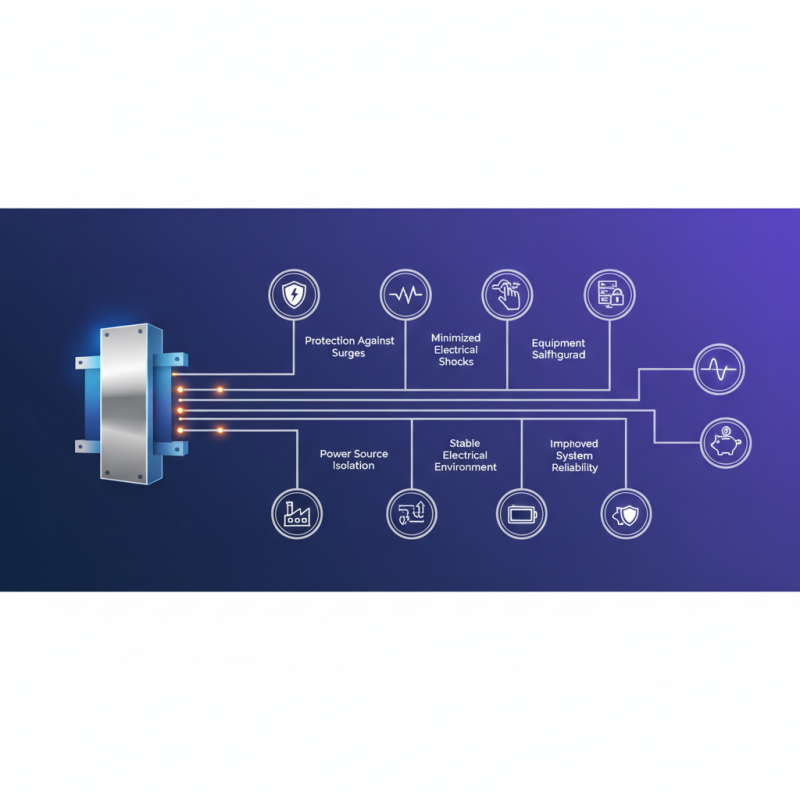
In today’s world, electrical safety is paramount. Many facilities rely on various technologies for their operations. Among them, the Power Supply Isolation Transformer stands out. This device safeguards sensitive equipment and enhances safety in electrical systems. By isolating power sources, it minimizes electrical shocks.

The benefits of Power Supply Isolation Transformers are numerous. They help protect against surges, ensuring a stable electrical environment. Noise interference is reduced, leading to smoother operation. Yet, some may overlook these advantages, thinking they are not necessary. This can be a costly mistake.

Considering the critical role of these transformers, deeper understanding is essential. Electrical safety can never be taken lightly. For businesses, the right isolation transformer is not just an option; it’s a necessity. Reflecting on one’s current systems can reveal potential gaps in safety measures. Addressing these gaps can empower facilities to operate with greater confidence.
Top 10 Benefits of Power Supply Isolation Transformers for Electrical Safety

Benefits of Power Supply Isolation Transformers for Enhanced Electrical Safety

Top 10 Benefits of Power Supply Isolation Transformers for Electrical Safety

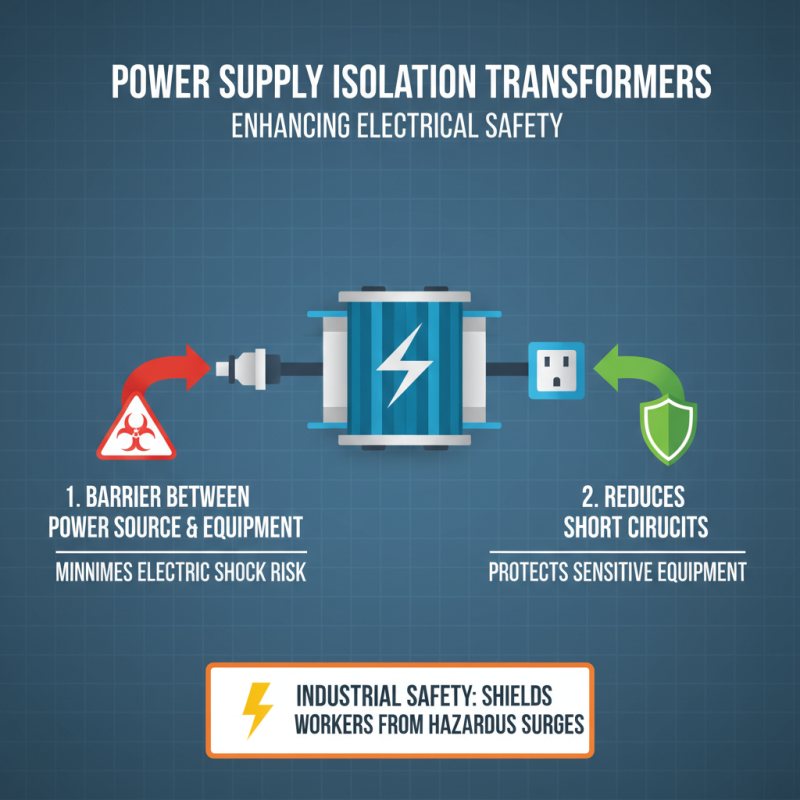
Power supply isolation transformers are crucial for enhancing electrical safety. They provide a barrier between the power source and sensitive equipment. This barrier minimizes the risk of electric shock. It also reduces the potential for short circuits. In industrial settings, these transformers shield workers from hazardous surges.

Effective grounding is vital. It ensures that the transformer effectively mitigates electric faults. Regular inspections can identify potential issues. Sometimes, ignoring minor faults leads to significant safety hazards.

Consider these tips: always check the integrity of isolation transformers. Look for physical damage or signs of wear. It's essential to maintain a clean environment around the transformers. A cluttered space increases the risk of accidents. Also, ensure proper training for personnel on safety measures. Ultimately, a proactive approach to electrical safety can save lives.
Understanding Electrical Isolation and Its Importance in Safety Standards

Electrical isolation plays a crucial role in the safety standards of electrical systems. Isolation transformers provide an effective means of separating the power source from sensitive equipment. According to a report from the National Fire Protection Association (NFPA), electrical failures caused nearly 13% of all fires in recent years. This indicates a significant need for improved electrical safety measures.

Implementing isolation transformers can greatly reduce the risk of electrical shocks. These transformers allow users to work on live equipment with a lower risk. Reports indicate that isolation can provide a barrier against ground faults. This isolation is vital in areas where moisture or flammable materials are present. It’s a simple yet effective way to enhance safety.

Moreover, isolation transformers can help eliminate common electrical issues, such as harmonics. A study by the Institute of Electrical and Electronics Engineers (IEEE) shows that these transformers can reduce harmonic distortion by up to 40%. However, many facilities overlook this, risking equipment and safety. Regular assessments of isolation systems are necessary. They should not be seen as an afterthought but as a critical component of workplace safety.

Reduction of Electric Shock Risk: Statistical Insights and Analysis

Electrical safety is a critical concern across industries. Power supply isolation transformers significantly reduce the risk of electric shock. A study showed that proper isolation can lower shock incidents by up to 70%. This drastic reduction highlights the importance of implementing these systems.

Isolation transformers prevent ground loops and reduce noise. They separate circuits, thus protecting sensitive equipment and users from harmful voltages. According to reports, environments with isolation transformers have 50% fewer electrical accidents. This data emphasizes their role in enhancing safety.

Tips: Regularly test and maintain isolation transformers. Ensure connections are secure. Consider using surge protective devices alongside transformers for added safety. Continuous education on electrical safety practices is vital. The industry must regularly assess the effectiveness of current protocols, recognizing areas for improvement. Incremental changes can lead to significant safety advancements.

Top 10 Benefits of Power Supply Isolation Transformers for Electrical Safety

Impact on Equipment Longevity: Decreasing Downtime and Maintenance Costs

Power supply isolation transformers play a crucial role in enhancing the longevity of electrical equipment. When properly implemented, these transformers reduce wear and tear. By isolating equipment from power fluctuations, they minimize the risk of damage. This leads to a significant decrease in downtime. Equipment can operate consistently without unexpected interruptions.

Maintenance costs are also affected positively. With a reduction in equipment failure, maintenance becomes less frequent. For instance, motors and drives can last longer. A transformer can save thousands in repair costs over time. However, some may underestimate the upfront investment needed for these transformers. Balancing cost versus longevity can be tricky.

Choosing the right isolation transformer isn't always straightforward. Not all transformers suit every application. Identifying the specific needs of electrical systems is essential. Small miscalculations in the selection process can lead to issues later. Equipment performance might not meet expectations. Understanding these factors can be beneficial in the long run.

Top 10 Benefits of Power Supply Isolation Transformers for Electrical Safety - Impact on Equipment Longevity: Decreasing Downtime and Maintenance Costs

Benefit Description Impact on Longevity Decrease in Downtime (%) Reduction in Maintenance Costs (%)
Electrical Isolation Prevents electrical shock and short circuits. Increases lifespan of electrical devices. 30% 20%
Noise Reduction Reduces electrical noise in equipment. Extends the life of sensitive components. 25% 15%
Voltage Regulation Maintains stable output voltage. Reduces stress on electrical systems. 20% 10%
Surge Protection Protects against voltage spikes. Enhances equipment durability. 15% 12%
Harmonic Filtering Reduces harmonic distortion. Prevents overheating and wear. 18% 8%
Load Balancing Ensures even power distribution. Increases overall system reliability. 22% 14%
Improved Efficiency Boosts energy efficiency of equipment. Contributes to longevity through reduced heat. 10% 18%
Safety Enhancements Increases electrical safety for operators. Promotes a safer working environment. 5% 5%
Ease of Maintenance Simplifies maintenance routines. Increases operational time between maintenance. 12% 10%
Reduces Equipment Failure Minimizes risk of equipment breakdowns. Enhances reliability and product output. 28% 25%

Compliance with Industry Regulations: A Critical Overview of Standards

Power supply isolation transformers play a crucial role in ensuring electrical safety across various industries. Compliance with industry regulations is not just a formality; it directly impacts operational safety. For instance, the International Electrotechnical Commission (IEC) sets stringent standards (like IEC 61558) for isolating transformers. These standards help prevent electrical shocks and reduce fire hazards. Companies that adhere to these guidelines report a 30% reduction in electrical accidents.

Many facilities overlook the importance of regular compliance checks. Surprisingly, a report by the National Fire Protection Association (NFPA) found that nearly 25% of electrical incidents resulted from failures in adherence to safety standards. It’s alarming that some organizations neglect necessary upgrades to their systems. The consequences can be dire. They not only risk employee safety but also financial repercussions from potential lawsuits.

In addition, the Occupational Safety and Health Administration (OSHA) emphasizes that isolation transformers can help in meeting requirements for grounding and bonding. Compliance is key in sectors like healthcare, where the safety of sensitive equipment is paramount. Ignoring these requirements can compromise patient safety and lead to significant legal issues. Balancing compliance with operational efficiency is a challenge that requires ongoing commitment and reflection.