2026 Best Control Transformer Options for Efficient Energy Management
Effective energy management is crucial in today's fast-paced industrial landscape. Control transformers play a vital role in optimizing energy usage and enhancing operational efficiency. These devices regulate voltage levels and ensure that electrical equipment operates safely and reliably. Selecting the right control transformer can significantly impact energy costs and operational effectiveness.
Choosing a control transformer involves understanding different types and specifications. Factors such as power ratings, efficiency, and size require careful consideration. In many cases, users overlook the significance of proper sizing. An undersized transformer can lead to inefficiencies and overheating problems. On the other hand, an oversized transformer wastes energy and increases costs.
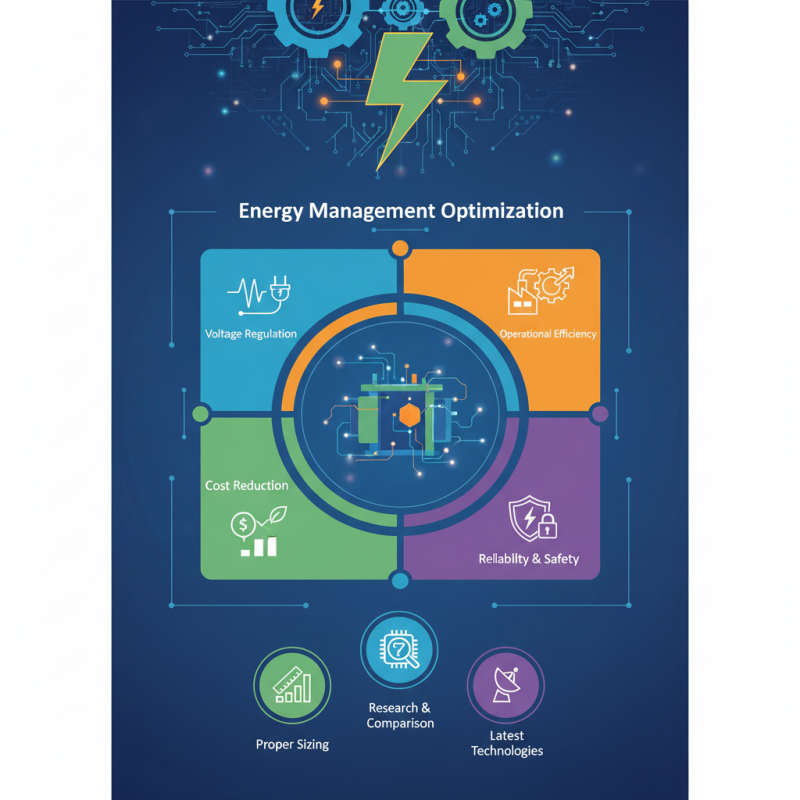
There is a myriad of options available in the market today. While some brands offer high-quality products, others may not meet reliability standards. Researching options and comparing features ensures that stakeholders make informed decisions. An awareness of the latest technologies is also essential. Exploring these trends can provide insights into efficient energy management solutions with control transformers.
Types of Control Transformers and Their Applications
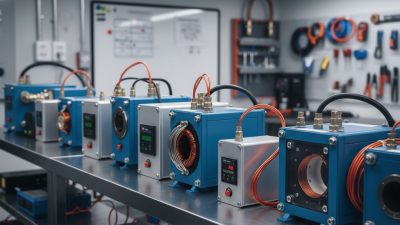
Control transformers play a vital role in energy management systems. They are specifically designed to provide precise voltage levels for control circuits. Understanding the types of control transformers is essential for selecting the right model for your application.
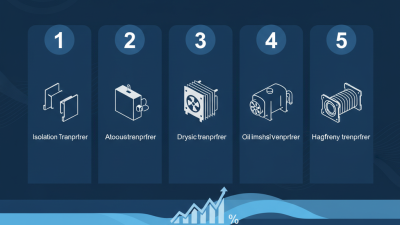
Step-down control transformers are commonly used in industrial settings. They convert high-line voltage to lower levels suitable for various control devices. These transformers ensure that machines operate safely and effectively. Additionally, isolation transformers protect sensitive equipment by preventing electrical noise and interference.
For applications in HVAC systems, multi-tap transformers offer versatility. Users can adjust output voltages according to specific requirements. This adaptability can enhance efficiency. However, choosing the wrong type might lead to suboptimal performance and higher energy costs.
Evaluating the load requirements is critical. A mismatch can result in overheating or premature failure. Practicing due diligence in selection helps safeguard equipment longevity and operational efficiency.
Key Features to Consider When Choosing a Control Transformer
When choosing a control transformer, several key features demand attention. The voltage rating is crucial. It must match the system requirements to ensure optimal performance. A mismatch can lead to inefficiency and equipment damage. Pay close attention to the power rating as well. A transformer must handle the load it will serve without overheating.
Consider the winding material. Copper and aluminum are common options, each offering different benefits. Copper provides better conductivity, while aluminum is lighter and often more cost-effective. Weigh these materials based on your specific needs. Additionally, examine the design type. Isolation transformers can provide added safety and noise reduction.
Lastly, evaluate the environmental rating. This determines how well a transformer can function in adverse conditions. An indoor transformer might not withstand outdoor elements. Even if it seems durable, it’s essential to consider its operational environment. Overlooking these factors can lead to costly mistakes. Investing time in research upfront pays off later.
2026 Best Control Transformer Options for Efficient Energy Management
| Model |
Power Rating (kVA) |
Efficiency (%) |
Weight (lbs) |
Dimensions (inches) |
Key Features |
| CT-1000 |
1.0 |
95 |
35 |
12 x 10 x 8 |
Compact design, high efficiency |
| CT-2000 |
2.0 |
96 |
55 |
15 x 12 x 10 |
Low noise, durable construction |
| CT-3000 |
3.0 |
97 |
75 |
18 x 14 x 12 |
High performance, lightweight |
| CT-4000 |
4.0 |
95 |
95 |
20 x 16 x 14 |
Easy to install, reliable |
| CT-5000 |
5.0 |
94 |
110 |
22 x 18 x 16 |
Versatile, energy-efficient |
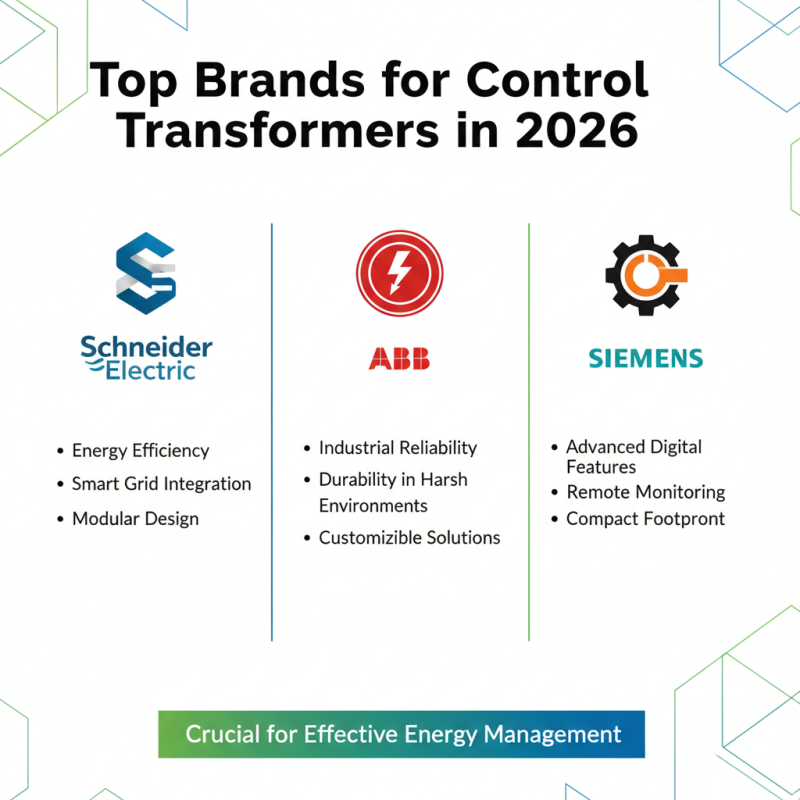
Top Brands for Control Transformers in 2026
When choosing control transformers in 2026, various top brands offer unique solutions. Understanding these options is crucial for effective energy management. Each brand has distinct features, making them suitable for different applications. The efficiency, reliability, and durability of these transformers are vital factors to consider.
Key features include low energy loss and high performance. Efficiency ratings significantly influence operational costs. Many brands focus on reducing energy waste, providing an eco-friendly choice. However, not all models perform equally in real-world conditions. Factors like installation and load requirements can impact efficiency.
Purchasing a control transformer involves assessing your specific needs. Some brands may excel in certain environments, while others might struggle. It's essential to research and read expert reviews. Consider personal experiences and feedback to gauge product reliability. Not every option will fit every scenario, requiring careful thought and planning.
Comparative Analysis of Energy Efficiency in Control Transformers
In the realm of control transformers, energy efficiency plays a pivotal role in optimizing operational costs. Recent reports from industry analysts reveal that inefficient transformers can consume up to 10% more energy than their more efficient counterparts. This translates to substantial waste over time, particularly in larger facilities. By examining the energy performance metrics, businesses can make informed decisions on their transformer choices.
One critical factor is the no-load losses, which account for a significant portion of energy waste. Research indicates that premium efficiency control transformers can reduce these losses by up to 50%. This reduction not only contributes to lower energy bills but also aligns with sustainability goals. Companies striving for greener operations must prioritize efficient transformers.
**Tips:** When selecting a control transformer, focus on units with low KVA ratings for minimal energy loss. Regular maintenance checks can prolong transformer life and enhance performance. Engaging an energy consultant can uncover additional savings in your operations.
Maintenance Tips for Optimizing Control Transformer Performance
Control transformers play a critical role in energy management. Proper maintenance can significantly enhance their efficiency and longevity. Here are some essential tips to ensure optimal performance.
Regular visual inspections are crucial. Look for signs of wear, such as frayed wires or rust. Addressing these issues early can prevent bigger problems. Ensure that connections are tight. Loose connections lead to overheating, which shortens the transformer’s lifespan.
Cooling systems should be monitored. Dust and debris can accumulate and block airflow. Clean filters and vents regularly to maintain efficiency. Consider a routine check-up every few months. This proactive approach minimizes downtime and performance losses.
Stay informed about the latest maintenance practices. Technology evolves, and so do best practices. Discuss experiences with colleagues. Shared insights can reveal new methods for enhancing performance. Regularly review maintenance logs. Mistakes in past maintenance should guide future actions.
2026 Control Transformer Efficiency Comparison
The bar chart above illustrates the efficiency percentages of various control transformers as of 2026. This data can help in selecting optimal options for efficient energy management.

 Three-Phase Isolation Transformer
 Control Transformer
 Medical IT Isolated Power System
 Marine Transformer
 Tunnel Transformer
 High Current Transformer
 Automatic Voltage Regulator
 Oil Immersed Voltage Regulator