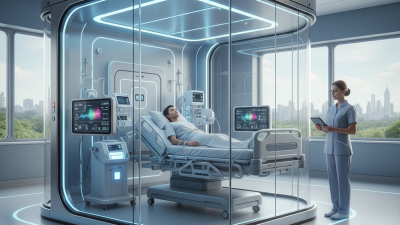
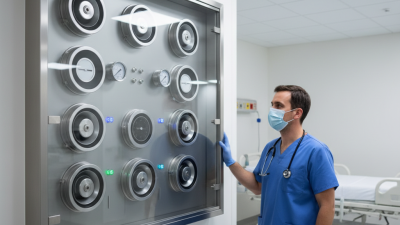
Selecting the right Medical Isolation Panel is crucial for various healthcare settings. These panels serve as barriers, ensuring patient safety and infection control. Understanding your specific needs is essential in making an informed choice.
Medical Isolation Panels come in different materials and functions. Some are portable, while others are more permanent fixtures. The choice often depends on the type of environment, such as hospitals or outpatient clinics. Consider the space available and the panel's adaptability.
It's important to weigh the pros and cons of each option. You might find that a more expensive model offers better features. However, affordability is also a key factor. Sometimes, less expensive panels may not provide the desired level of protection. Balancing these aspects can lead to a satisfactory decision. Every situation is unique, and thorough research will lead to better outcomes.
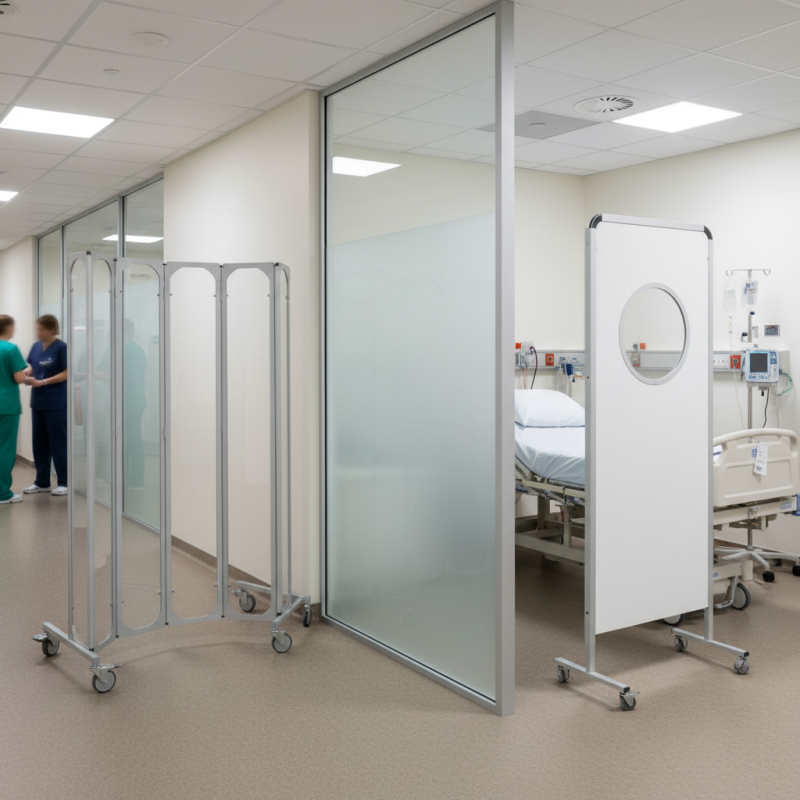
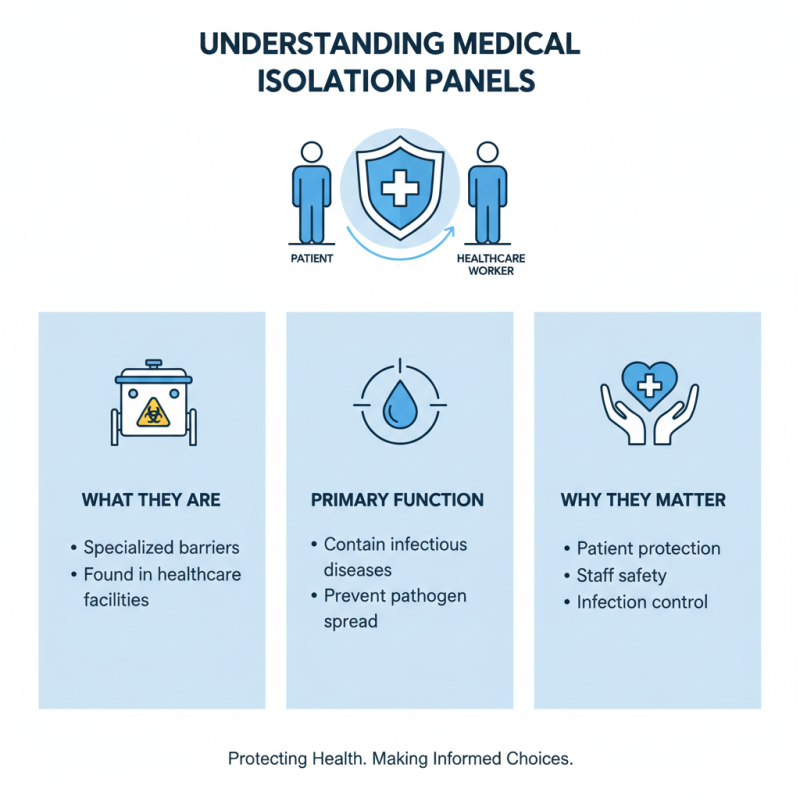
Medical isolation panels play a crucial role in healthcare settings. These panels help contain infectious diseases and protect both patients and healthcare workers. Understanding their basic functions is essential for making informed choices.
According to the Centers for Disease Control and Prevention (CDC), 1 in 31 hospital patients has at least one healthcare-associated infection (HAI). Isolation panels are designed to minimize these risks. Often constructed of durable materials, they are easy to clean and maintain, reducing the chance of contamination.
Choosing the right material is important. Some panels are made from acrylic, while others use polycarbonate. While acrylic offers clarity, polycarbonate is more impact-resistant. The right choice should reflect the specific environment. Panel thickness also matters; a thickness of 3 mm provides adequate protection without compromising visibility. Additionally, the installation process should be straightforward but may require careful planning. Many healthcare facilities overlook this aspect, potentially leading to inefficiencies and gaps in safety measures.
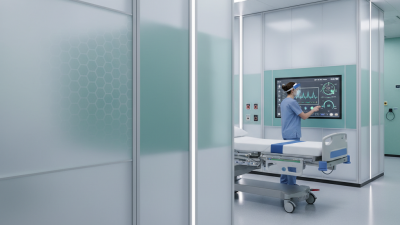
When selecting a medical isolation panel, understanding the variations among different types is vital. Medical isolation panels come in several designs, each serving unique purposes. Some panels are ideal for airborne infections, while others effectively manage droplet transmissions. Evaluate the specific medical environment you are in to determine which panel suits your needs best.
Reflect on the materials used in the construction of these panels. Many are made from glass or acrylic, providing visibility and easy sanitation. Others might prioritize sturdiness over clarity, suitable for high-traffic areas. Consider factors like weight, portability, and ease of installation. A cumbersome panel may hinder workflow or create unnecessary risks.
Flexibility also plays a critical role. Some isolation panels accommodate changes in layout and patient flow, whereas others are fixed in place. It's essential to weigh the benefits of adaptability against the need for security and isolation. Think about potential improvements in your current setup. There may be areas where existing panels do not effectively block transmission.
| Type of Isolation Panel | Material | Application | Benefits | Drawbacks |
|---|---|---|---|---|
| Polycarbonate Panels | Polycarbonate | Infection control | High impact resistance | Can be expensive |
| Fiberglass Panels | Fiberglass | Patient rooms | Lightweight and easy to install | Less durable than other materials |
| Acrylic Panels | Acrylic | Surgical units | Clarity and UV resistance | Scratches easily |
| Metal Panels | Aluminum | Isolation suites | High durability | Heavier and costlier |
| PVC Plastic Panels | PVC | Temporary isolation | Cost-effective and easy to clean | Less aesthetic appeal |
Choosing the right medical isolation panel is crucial for effective healthcare solutions. There are several key factors to consider. One important aspect is the panel's material. Different materials provide varying levels of protection and durability. Assess whether a lightweight or heavier option better suits your environment.
Another factor is the panel's size and configuration. It should fit your specific space while ensuring adequate isolation. A poorly sized panel may compromise effectiveness. Consider flexibility in design as well. Panels that allow for easy reconfiguration can adapt to changing needs quickly.
Finally, evaluating the panel's ease of cleaning is essential. Hygiene is pivotal in medical settings. Opt for materials that are easy to disinfect. Regular cleaning can prolong the panel's life and maintain safety standards. Reflect on where improvements can be made in your processes. Each of these considerations plays a vital role in ensuring the right choice for your needs.
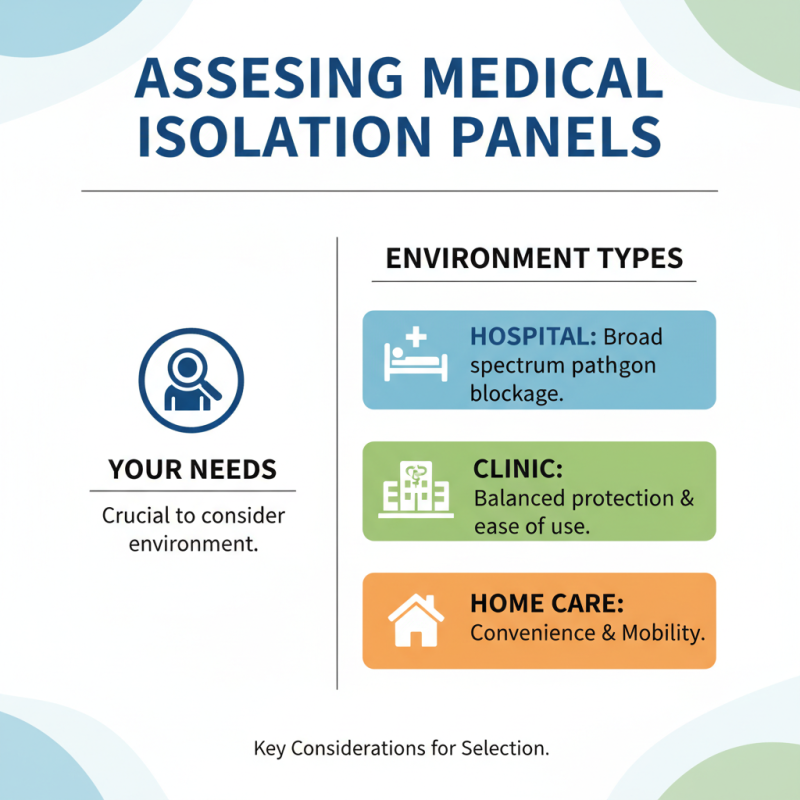
When selecting a medical isolation panel, assessing your specific needs is crucial. Consider the environment where it will be used. Is it a hospital, clinic, or home setting? Each location has different requirements. For instance, hospitals may need panels that block a wide range of pathogens, while home care solutions might focus on convenience and mobility.
Think about the type of patients you'll care for. If you treat immunocompromised patients, the panel should provide maximum protection. Evaluate the space available for installation. Panels come in various sizes and configurations. A portable option might be suitable for limited spaces, but it may compromise some features.
Reflect on how the isolation panel will integrate into daily routines. Can staff and family easily operate it? User-friendly features are vital. However, not all panels come with intuitive designs. Sometimes, a more complex system may offer better protection. Balancing ease of use with efficiency can be challenging, but it’s necessary for effective patient care.
Choosing the right medical isolation panel is crucial for various healthcare settings.
Budgeting plays a significant role in this decision. It’s essential to evaluate your financial capabilities when selecting a panel.
Costs can vary widely depending on materials and technology. A lower-priced model may seem appealing initially but could lack durability and performance.
Understanding these trade-offs is vital.
Consider the specific needs of your facility. Are you managing high-risk patients? If so, investing in a higher-quality panel might be necessary. Yet, this could strain your budget. It’s a balancing act between immediate cost and long-term benefits.
Don't forget to include maintenance costs in your calculations. Regular upkeep can add to the overall expense.
Reflect on potential hidden expenses too. Installation and training for staff can impact your budget. Getting detailed quotes can help avoid surprises later.
A well-planned budget not only assists in selecting a panel but also supports operational efficiency.
Prioritizing quality over cost cuts corners but may also jeopardize safety and effectiveness.
Consider how each decision aligns with your facility's mission.