Top 10 Benefits of Using Automatic Voltage Stabiliser for Home and Business
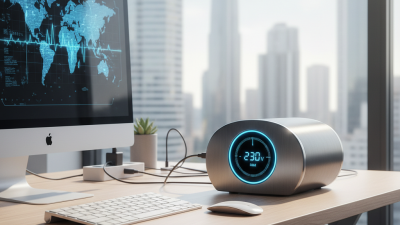
In today’s fast-paced world, voltage stability is crucial for both homes and businesses. Frequent voltage fluctuations can damage appliances and lead to costly downtime. According to the International Energy Agency, nearly 60% of all electrical equipment failure is linked to voltage variations. This highlights the importance of utilizing an Automatic Voltage Stabiliser (AVS).
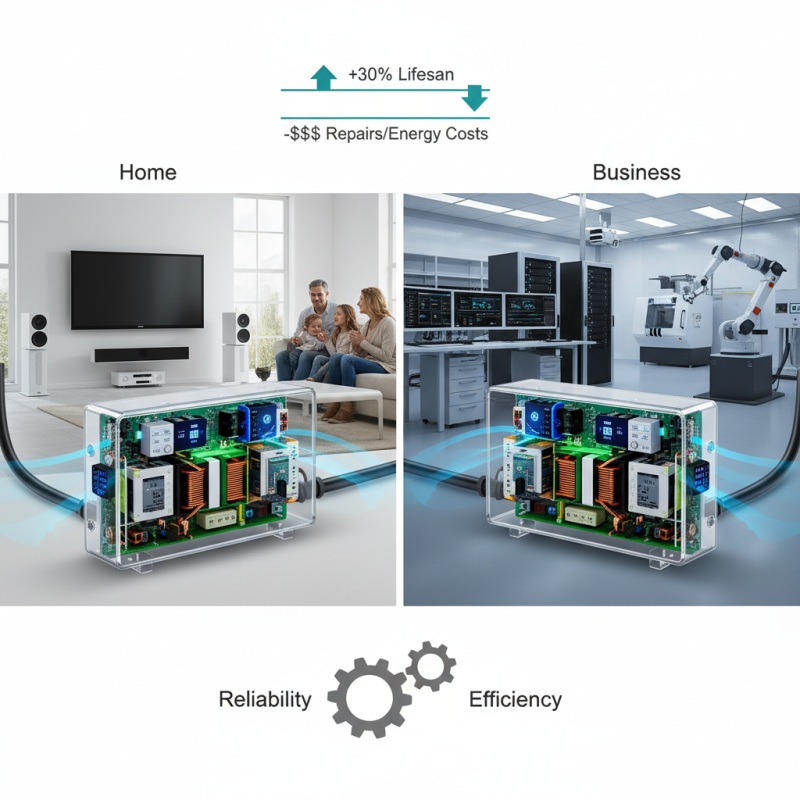
An Automatic Voltage Stabiliser helps maintain optimal voltage levels. This device protects sensitive electronics from damage due to surges and sags. A study by the American National Standards Institute revealed that AVS can improve the lifespan of electrical equipment by up to 30%. Such equipment includes HVAC systems, computers, and industrial machinery, which are vital for daily operations.
Implementing an AVS is not just for convenience; it is a sound financial decision. While the initial investment may seem high, the long-term savings on repairs and energy costs can be substantial. In essence, having an Automatic Voltage Stabiliser in place signifies a commitment to reliability and efficiency, both of which are critical in today’s competitive environment.
Benefits of Automatic Voltage Stabilizers in Residential Settings
Automatic Voltage Stabilizers (AVS) play a crucial role in safeguarding homes. They help maintain stable voltage levels, protecting appliances from damage. Fluctuations in electrical supply can harm sensitive devices. An AVS ensures consistent electricity flow, which can extend the lifespan of electronics.
For homeowners, there are practical benefits to installing an AVS. It reduces energy costs by optimizing power consumption. Moreover, it prevents overloading circuits. This is especially important in homes with multiple devices. When voltage levels are regulated, appliances run more efficiently. You can notice lower electricity bills.
Tips for choosing an AVS include analyzing your energy needs. Consider the number of devices and their power requirements. Think about where to install it for maximum effectiveness. Regular maintenance is essential. An outdated system may not perform optimally. Reflecting on your electrical reliability can lead to smarter choices.
Top 10 Benefits of Using Automatic Voltage Stabiliser for Home and Business
Improved Energy Efficiency: Reducing Wastage and Lowering Bills
In today's energy-conscious environment, using an Automatic Voltage Stabiliser (AVS) can significantly improve energy efficiency. These devices regulate voltage supply, preventing fluctuations that can lead to energy wastage. By ensuring a consistent voltage level, homes and businesses can operate appliances more effectively. This reduced voltage instability translates into lower energy bills.
Moreover, an AVS minimizes the wear and tear on electrical equipment. When devices receive the correct voltage, they perform optimally, consuming less power. For instance, lighting systems and HVAC units run more efficiently, resulting in substantial savings over time. This efficiency not only lowers operational costs but also contributes to a smaller carbon footprint.
While the initial investment in an AVS may seem high, the long-term benefits often outweigh these costs. Many users find that their savings on energy bills offset the purchase expense. However, some may overlook the need for regular maintenance checks. This oversight can lead to diminished performance, highlighting the need for ongoing attention. Regular assessments ensure the device operates at peak efficiency and continues to deliver those important energy savings.
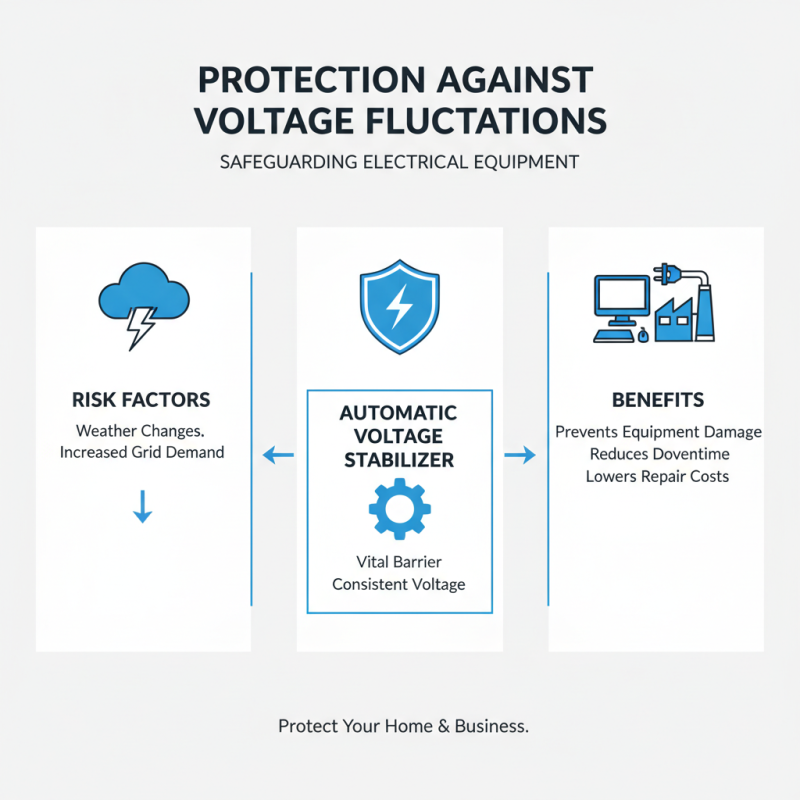
Protection Against Voltage Fluctuations: Safeguarding Electrical Equipment
Voltage fluctuations pose a significant risk to both home and business electrical systems. These fluctuations can arise from various sources, such as weather changes or increased demand on the local grid. An automatic voltage stabiliser acts as a vital barrier that protects sensitive equipment. By maintaining a consistent voltage level, it reduces the likelihood of downtime and costly repairs.
Consider your home office, filled with essential devices. A sudden voltage spike could damage your computer or printer. An automatic voltage stabiliser minimizes this risk, ensuring your devices operate smoothly. For businesses, this protection means fewer disruptions, enhancing overall productivity.
However, relying solely on such devices isn't flawless. Regular monitoring and maintenance are key. Users must remain aware of their equipment's health. Understanding that voltage stabilisers are a part of a comprehensive electrical safety plan helps reinforce their importance. Choosing quality stabilisers can lead to long-term benefits, making them a smart investment for any electrical setup.
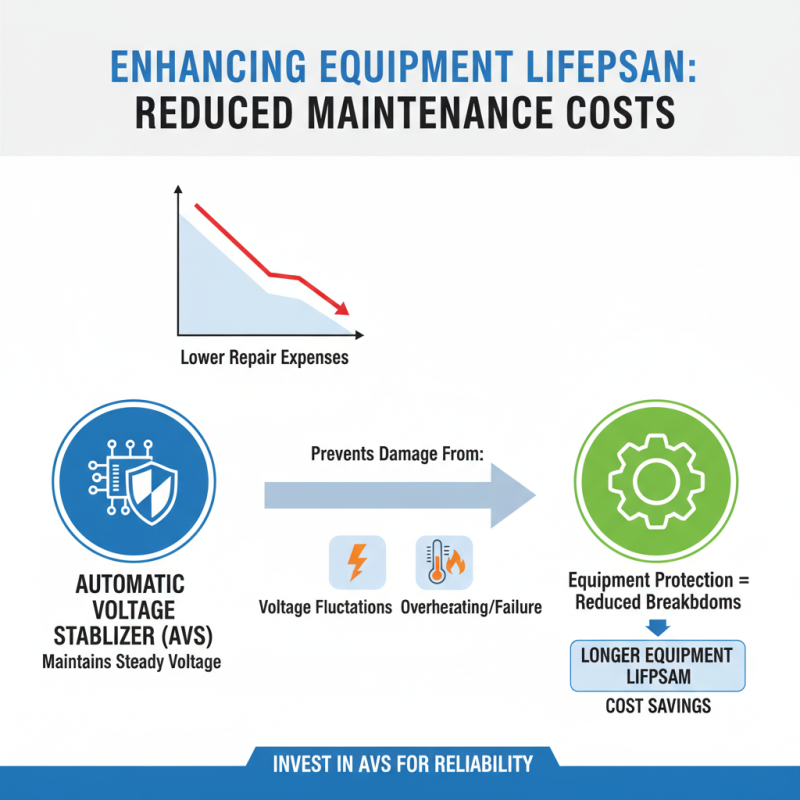
Enhancing Equipment Lifespan: Data on Reduced Maintenance Costs
An automatic voltage stabilizer (AVS) is essential for maintaining a steady voltage level. This stability protects sensitive equipment from damage. Fluctuations in voltage can lead to overheating or even total failure. By keeping voltage levels consistent, an AVS reduces the risk of equipment breakdowns.
Reduced maintenance costs are a considerable benefit of using an AVS. Regular equipment breakdowns often require unplanned repairs. These unforeseen costs can add up quickly, straining budgets for homes and businesses alike. In contrast, stable voltage leads to fewer failures. This reliability means maintenance schedules can be predictable. With less frequent repairs, operational efficiency increases.
Investing in an AVS not only enhances equipment lifespan but also promotes peace of mind. Business owners gain confidence in their operational reliability. A consistent power supply may result in fewer interruptions. This aspect is critical in preventing losses in productivity and revenue. However, it’s essential to consider the initial investment in an AVS, as it may seem high at first. Balancing upfront costs with long-term savings requires careful analysis.
Contribution to Sustainable Energy Practices: Aligning with Industry Standards
Automatic voltage stabilisers play a crucial role in promoting sustainable energy practices. By maintaining a consistent voltage supply, these devices help reduce energy waste. Fluctuating voltage levels can damage appliances and increase power consumption. This results in higher utility bills and unnecessary environmental impact. A stable voltage contributes to the efficiency of electrical devices, providing better performance.
Aligning with industry standards, automatic voltage stabilisers encourage responsible energy use. They ensure that homes and businesses operate within acceptable voltage ranges. This minimizes stress on the electrical grid, which is vital for sustainability. Reliable voltage regulation can also lower greenhouse gas emissions. As power consumption stabilizes, so does the overall demand for energy.
Despite these benefits, challenges remain. Many consumers underestimate the impact of voltage fluctuations. Education on the importance of voltage stability is essential. Not all installations are perfect; improper setup can lead to inefficiencies. Evaluating existing systems is necessary for improvement. Addressing these challenges can enhance energy practices further.
Top 10 Benefits of Using Automatic Voltage Stabiliser for Home and Business - Contribution to Sustainable Energy Practices: Aligning with Industry Standards
| Benefit |
Description |
Impact on Sustainability |
| Voltage Regulation |
Maintains stable voltage levels to protect appliances |
Reduces energy waste and appliance damage |
| Energy Efficiency |
Improves the overall efficiency of electrical systems |
Lower overall energy consumption |
| Cost Savings |
Decreases repair costs for damaged electrical equipment |
Encourages longer appliance lifespan |
| Improved Performance |
Enhances the performance of sensitive electronics |
Ensures optimal operation without energy spikes |
| Equipment Protection |
Prevents damage from voltage fluctuations |
Reduces electronic waste |
| Compliance with Standards |
Helps meet local and international energy standards |
Supports industry regulations promoting sustainability |
| User-Friendly |
Easy installation and maintenance for users |
Encourages adoption of energy-efficient technologies |
| System Stability |
Enhances overall stability of the electrical grid |
Boosts reliability and performance of renewable sources |
| Flexibility |
Can be used in various applications from homes to industries |
Promotes wider adoption of renewable energy solutions |
| Noise Reduction |
Minimizes electrical noise in devices |
Improves efficiency of audio and visual equipment |
Conclusion
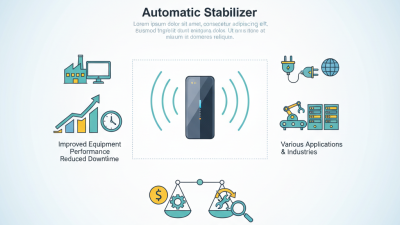
Automatic Voltage Stabiliser (AVS) offers a multitude of benefits for both residential and commercial settings. One of the primary advantages is improved energy efficiency, which not only reduces energy wastage but also leads to significant cost savings on electricity bills. Additionally, AVS protects against voltage fluctuations, safeguarding sensitive electrical equipment from damage and ensuring reliable operation.
Moreover, the use of an Automatic Voltage Stabiliser enhances the lifespan of appliances by minimizing the need for maintenance, resulting in lower overall maintenance costs. Implementing AVS also contributes to sustainable energy practices, aligning with industry standards for energy consumption. For businesses, a cost-benefit analysis reveals that the return on investment can be substantial, making AVS a wise choice for those looking to improve both operational efficiency and financial performance.

 Three-Phase Isolation Transformer
 Control Transformer
 Medical IT Isolated Power System
 Marine Transformer
 Tunnel Transformer
 High Current Transformer
 Automatic Voltage Regulator
 Oil Immersed Voltage Regulator