How to Choose the Right High Voltage Current Transformer?
Selecting the appropriate High Voltage Current Transformer (HVCT) is crucial for ensuring safety and efficiency in electrical systems. Understanding the various factors involved can be complex. These transformers play a vital role in measuring high voltage currents accurately, providing essential data for system monitoring.
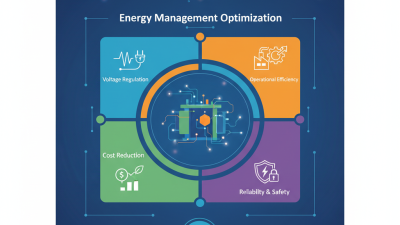
The right HVCT enhances performance and reliability. It can influence energy management and reduce operational costs. Considering specifications like voltage ratings, current measurements, and environmental conditions is important. Each factor directly impacts the effectiveness of a transformer.
When choosing a High Voltage Current Transformer, one must evaluate both technical requirements and manufacturer credibility. A trusted supplier can provide valuable insights and support. Exploring options thoughtfully is key, as small oversights might lead to significant issues later. Balancing quality and cost is essential.
Understanding High Voltage Current Transformers and Their Applications
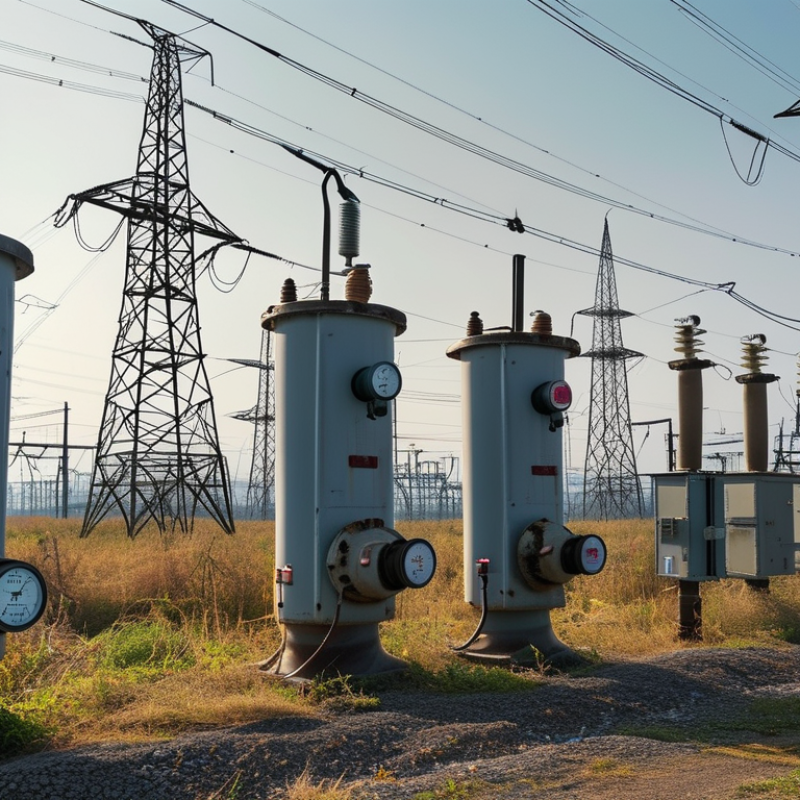
High voltage current transformers (CTs) play a crucial role in electrical power systems. They measure high currents accurately and protect machinery from overload. Understanding their design and applications helps in selecting the right transformer for specific needs. These CTs are essential in both utility and industrial settings. They ensure safe operation and efficient power distribution.
Choosing the right CT involves more than technical specifications. Experience with system requirements is invaluable. Different applications may demand different accuracy levels. Some environments may introduce unique challenges. For example, weather conditions can affect performance. Reflecting on these factors allows for better decisions.
Accuracy is key in power measurement. A faulty transformer can lead to significant energy losses. It is critical to recognize the importance of installation and maintenance. Improper setup may cause long-term issues. Regular testing and inspection of the CT help ensure reliability over time. Building a solid relationship with knowledgeable professionals can aid in navigating this complex field.
How to Choose the Right High Voltage Current Transformer?
| Parameter |
Description |
Importance |
| Voltage Rating |
The maximum voltage the transformer can handle. |
Critical for safety and functionality. |
| Current Rating |
The maximum current the transformer can measure. |
Essential for accurate monitoring. |
| Accuracy Class |
Indicates the precision of measurements. |
Important for billing and monitoring applications. |
| Burden |
The load connected to the secondary winding. |
Affects accuracy and performance. |
| Frequency |
Operating frequency for the transformer. |
Essential for resonance and efficiency. |
| Insulation Level |
The dielectric strength of the transformer. |
Vital for preventing breakdowns. |
| Temperature Rating |
Operating temperature limits. |
Affects longevity and performance. |
| Protection Class |
Resistance to environmental factors. |
Ensures reliability in different conditions. |
Key Factors to Consider When Choosing a High Voltage Current Transformer
Choosing the right high voltage current transformer is crucial for efficient electrical systems. One key factor is accuracy. A precise measurement ensures reliability in monitoring current flow. Look for transformers with a low error margin. Over time, inaccuracies can lead to significant inefficiencies.
Another important aspect is the insulation level. High voltage transformers must withstand extreme conditions. The insulation must be robust to avoid failures. Check the voltage ratings and environmental durability. These characteristics are vital for safe operation.
Consider maintenance requirements as well. Some transformers might need regular calibration. This can be time-consuming and costly. Understanding the maintenance needs helps in long-term planning. Reflect on how often you can afford to service the equipment. Ensure you choose a model that balances reliability and upkeep efficiently.
Types of High Voltage Current Transformers and Their Features
When selecting high voltage current transformers, it's crucial to understand their types and characteristics. Two main types exist:
instrument transformers and protection transformers.
Instrument transformers are designed for metering and monitoring. These transformers offer accurate readings but may not withstand high fault currents.
Protection transformers, on the other hand, are built to handle fault conditions. They provide fast response times and maintain system stability. Each transformer type has unique features. For example, some use oil insulation, providing better cooling, while others use air insulation for easier maintenance.
It's essential to match the transformer type with your application needs. High voltage environments can introduce complexities. Performance under extreme conditions should always be considered. Balancing accuracy and protection is a key challenge. Choosing the right transformer requires careful evaluation. A miscalculation can lead to costly errors. Always consult with professionals in the field for reliable advice.
Evaluating Performance Specifications for High Voltage Current Transformers
When selecting a high voltage current transformer, performance specifications play a key role. Understanding these specifications helps in making informed decisions. Key metrics to evaluate include accuracy, burden, and insulation level. Accuracy ensures reliable measurements in power systems. A low burden maintains efficiency within the circuit. Insulation level is vital for safety, especially in high voltage applications.
Tips: Always check the manufacturer's data sheets for specific performance metrics. Don’t hesitate to compare different models based on their specifications. Seek guidance from industry professionals if uncertain about requirements.
Regular testing is essential to ensure optimal performance. Transformers can drift from their specifications over time. It is crucial to monitor and recalibrate them as needed. Failure to do so may lead to inaccurate readings or safety hazards. Consider the environment where the transformer will be installed; temperature and humidity can affect performance.
Tips: Conduct routine maintenance checks. Document any changes in operating conditions. Engage with technicians who specialize in high voltage equipment for best practices.
Installation and Maintenance Best Practices for Current Transformers
Current transformers (CTs) play a vital role in high voltage applications. Their installation requires meticulous attention to detail and adherence to best practices. Proper installation ensures accurate readings and safety. According to industry studies, improper installation can lead to errors of up to 20% in measurements, significantly affecting system performance.
When installing a current transformer, ensure the primary and secondary connections are secure. This minimizes the risk of accidents and miscommunication between components. Additionally, use insulated tools to avoid electrical hazards. Environmental conditions should also be assessed. Temperature and humidity can affect transformer performance. Regular inspections can help identify these issues before they become critical.
Tips: Install a grounding system. It protects against surge voltages. Ensure the location is free from excessive vibrations. Regular maintenance checks can prevent major failures. Take time to compare readings over time. Small deviations may indicate underlying issues requiring attention. Staying proactive can save time and resources in the long run.

 Three-Phase Isolation Transformer
 Control Transformer
 Medical IT Isolated Power System
 Marine Transformer
 Tunnel Transformer
 High Current Transformer
 Automatic Voltage Regulator
 Oil Immersed Voltage Regulator